
The Quiet Revolution of Abstract Art


Abstract art did not emerge as a sudden break from tradition. It arrived quietly, thoughtfully, and with a profound shift in intention. In the early 20th century, artists began questioning a long-held assumption: that art’s primary role was to represent the visible world. Instead of painting what could be seen, they asked whether art could express what could be felt.
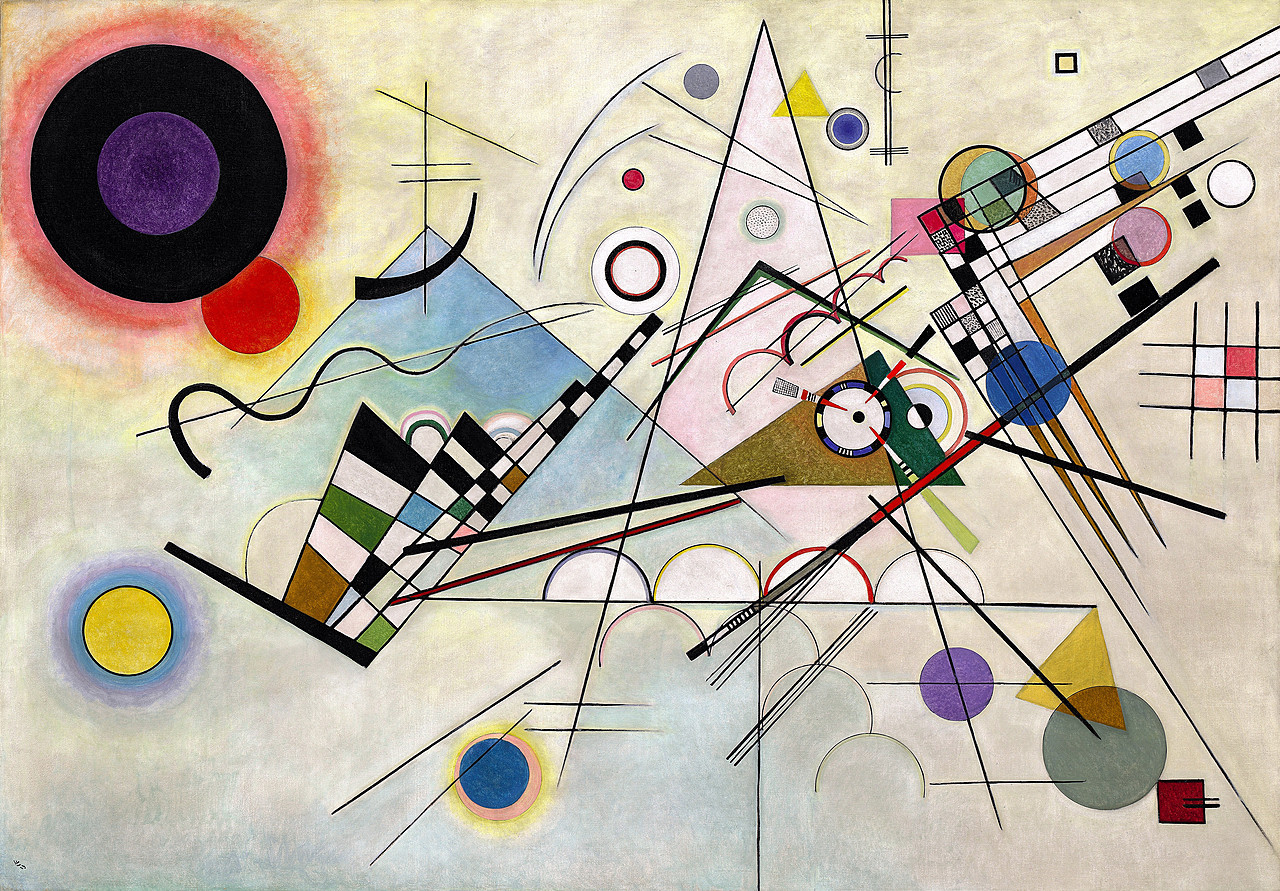
Composition 8 by Kandinsky
One of the earliest voices in this shift was Wassily Kandinsky, who believed color and form could communicate emotion in the same way music does; without needing recognizable subjects. Around the same time, artists like Piet Mondrian explored balance and harmony through geometry, while Hilma af Klint created deeply spiritual abstract works years before abstraction was widely accepted. These artists were not rejecting tradition for shock value; they were responding to a rapidly changing world shaped by industrialization, scientific discovery, and shifting ideas about human consciousness.

Soft Blue Breezes III by Gretchen Fuss
What made abstraction revolutionary was not its appearance, but its intention. By removing literal representation, abstract artists invited viewers into a more personal relationship with the work. Meaning was no longer fixed. Emotion became central. The viewer was no longer asked to identify a subject, but to experience a response.

In contemporary art, abstraction remains deeply relevant. Modern abstract artists draw from the same emotional core while expanding the language through new materials, textures, and techniques. Some works feel calm and meditative, others energetic and raw. What unites them is the emphasis on internal experience rather than external depiction. Abstract art continues to thrive because it adapts; not by following trends, but by responding to human emotion in real time.

Out of Consideration by Ashley Sellner
This emotional openness is why abstract art connects so strongly with viewers today. In a world saturated with imagery, abstraction offers space. It allows for interpretation rather than instruction. A single piece can feel grounding to one person and energizing to another, depending on memory, mood, and context. That flexibility is not a weakness; it is the strength of the medium.

Marvin Island II by Mary Elizabeth Marvin
Abstract art does not tell you what to think. It meets you where you are. It evolves as you do. Over time, a piece may reveal new details or stir different emotions, making the relationship between viewer and artwork ongoing rather than static.
--
The quiet revolution of abstract art continues not because it demands attention, but because it invites connection. It reminds us that art does not need to explain itself to be meaningful. Sometimes, the most powerful expression is the one that leaves room for feeling.
Leave a comment