
The Art of Texture: Why You Should Mix Canvas, Paper, Fabric & Sculpture


When we think about art, we often focus on color and composition. Yet one of the most powerful, and often overlooked elements of an art-filled home is texture. Texture adds depth, warmth, and a sense of presence that transforms a space from visually pleasing to truly engaging. By mixing canvas, paper, fabric, and sculptural elements, you create a layered environment that feels collected, intentional, and alive.
--
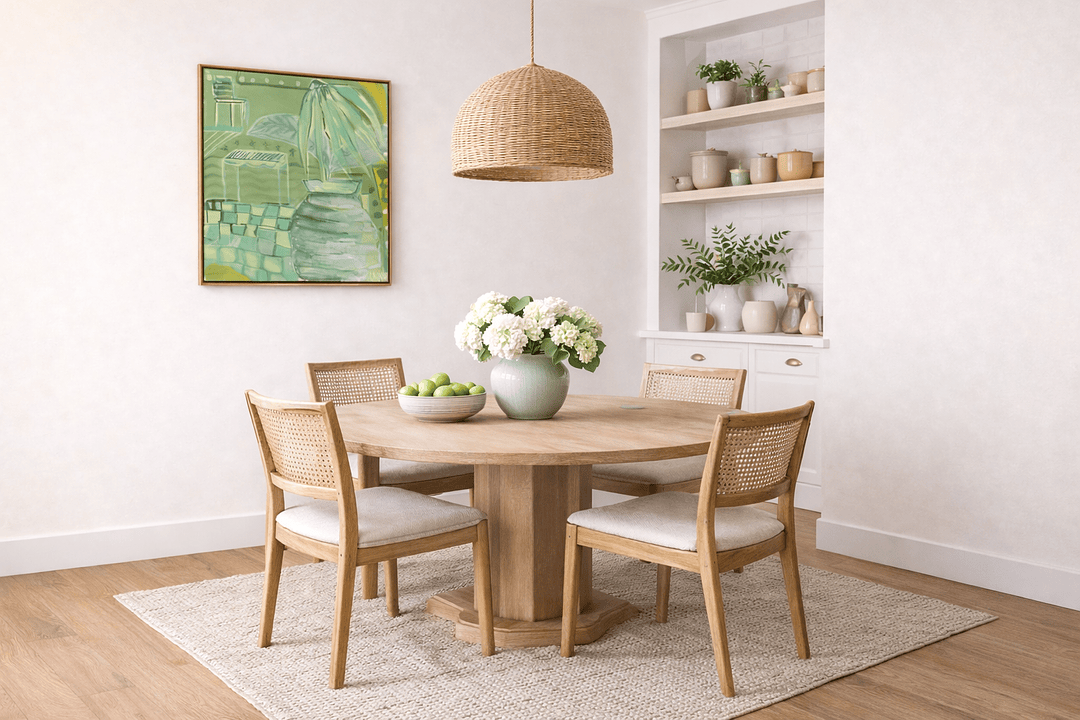
When We Got Home by Jana Young Siegel
Canvas artwork brings structure and grounding. Its scale and weight make it ideal for anchoring a room, whether through a large statement piece or a series of thoughtfully placed works. The stretched surface allows for expressive brushstrokes, rich pigment, and physical depth. Canvas-based pieces often serve as the visual foundation of a space, offering stability and balance.

Wind Swept VI by Anna Vaughn Kincheloe
Works on paper introduce lightness and intimacy. Drawings, watercolors, and mixed-media pieces on paper have a delicacy that contrasts beautifully with canvas. Their thinner profiles and subtle textures invite closer viewing, encouraging a quieter, more personal interaction. Framed thoughtfully, paper works soften walls and add an editorial, gallery-like quality without overwhelming the room.

Her Best Side by Allison Meyler
Fabric-based art brings warmth in a different way. Textiles, fiber works, and woven pieces add softness and movement that paint alone cannot achieve. These works absorb light rather than reflect it, creating a sense of calm and comfort. Fabric art also carries a tactile quality that resonates emotionally, often evoking craftsmanship, tradition, and human touch.

Sculpture completes the sensory experience. Three-dimensional works introduce form and shadow, encouraging the eye to move through the space rather than across a single plane. Whether ceramic, stone, wood, or metal, sculptural pieces ground a room and connect the walls to the surfaces below; shelves, tables, and floors. They create moments of pause and discovery, enriching the overall visual rhythm of the home.
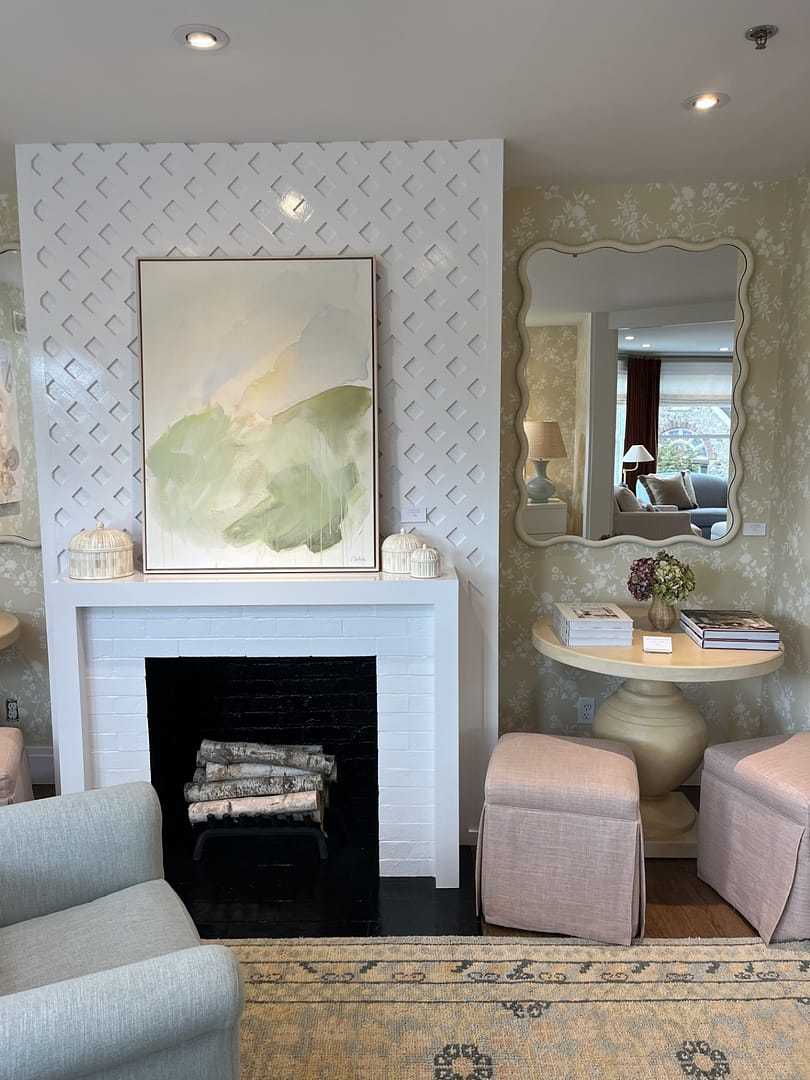
Artwork by Christina Contaldi
The beauty of mixing textures lies in contrast. A richly painted canvas feels even more dynamic when paired with the softness of paper or fabric. A sculptural piece gains presence when placed near two-dimensional work. These relationships add complexity without clutter, creating harmony through variation rather than uniformity.
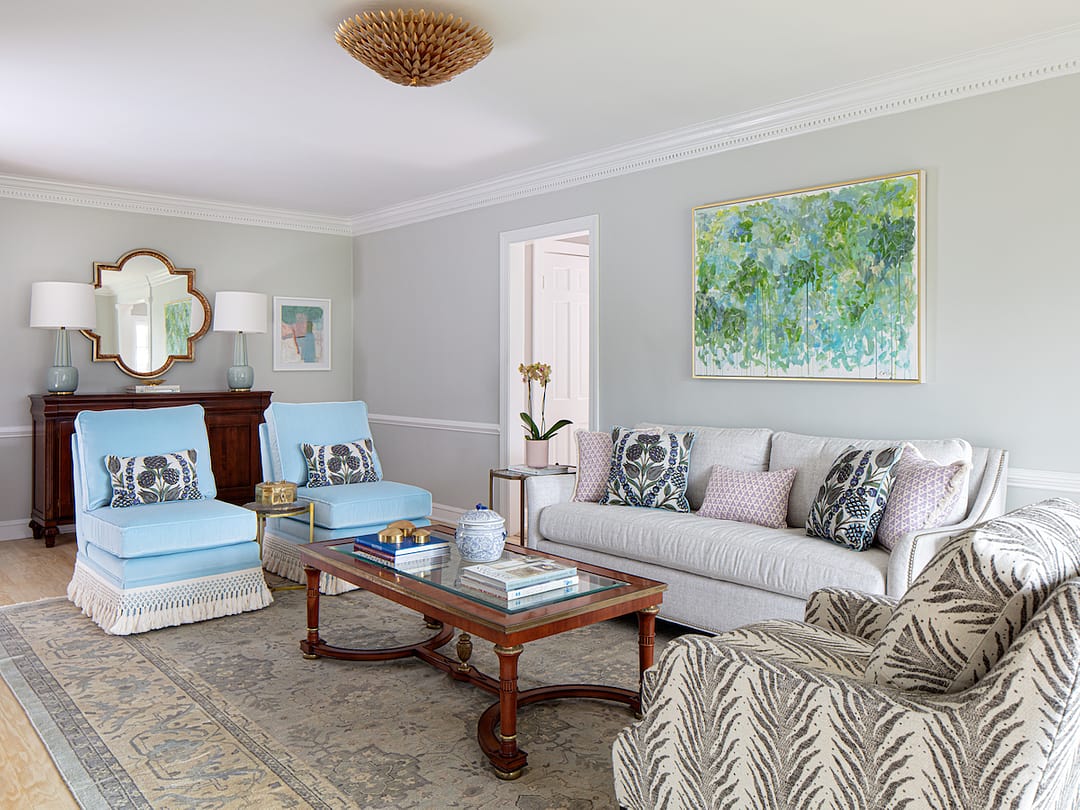
Artwork by Erin Fuge and Jennifer Pino
Texture also brings emotional balance. Smooth surfaces feel calm, rough textures feel expressive, and layered materials feel lived-in. Together, they create a space that feels human and approachable, rather than overly polished. This balance makes a home feel welcoming, personal, and thoughtfully curated.
--
Incorporating multiple textures allows art to be experienced not just visually, but emotionally and spatially. It encourages curiosity, slows the viewer down, and creates a deeper connection to the pieces themselves. When canvas, paper, fabric, and sculpture coexist, art becomes more than decoration, it becomes an atmosphere.
Leave a comment